Civic Order in Taiwan: A Blueprint for Asian Progress
Taiwan’s greatest achievement may not be what it invents in laboratories or constructs in cities, but what it cultivates in the hearts of its people: a commitment to living together with dignity.
Jakarta – Taiwan is widely celebrated as a global hub of technology and industrial innovation. Its semiconductor industry, high-speed rail, and cutting-edge research have long fascinated many nations in Asia and beyond. But beyond the brilliance of its microchips and the speed of its trains, Taiwan offers something yang lebih fundamental: a strong culture of civic order that tumbuh dari kebiasaan sehari-hari warganya. This is the element often overlooked, yet it is what truly shapes the character of a nation.
When we observe Taiwan closely, we see that the nation’s impressive progress is not only the result of government planning or technological expertise, but also the maturity of its people in respecting public spaces. Civic discipline in Taiwan reflects a simple truth: modern infrastructure cannot function without modern social behavior. It is this combination policy and character, rules and awareness that makes Taiwan a compelling model for countries that aspire to develop not just physically, but also culturally.
Public transportation offers a clear window into Taiwan’s civic spirit. The network is extensive and efficient: Taiwan High-Speed Rail, Taiwan Railways, MRT, LRT, buses, and public bicycles like Ubike. Interestingly, only around 15.2% of the population uses public transportation regularly.
However, this number does not diminish its significance; it reveals a deeper story about comfort, trust, and order within the system. Every day, commuters demonstrate behavior that makes the experience pleasant for all. They queue in an orderly manner, avoid pushing, wait for passengers to exit before entering, and maintain a quiet atmosphere throughout the ride.
Inside the MRT, the culture of respect becomes even more visible. Priority seats are given without hesitation. Eating and drinking are avoided, not because of constant enforcement, but because there is an understanding that shared spaces deserve shared responsibility. People speak softly. Phones are silenced. Courtesy is not treated as an extra effort it is a social norm ingrained in daily life. These simple habits become powerful symbols of a nation that values collective comfort over personal convenience.
Cleanliness is another key element of Taiwan’s civic culture. Even though trash bins are not always abundant in public areas, people are used to holding onto their waste until they find the right disposal point. Waste sorting is mandatory in nearly all institutions, from universities to amusement parks. And when rules are broken, sanctions are clear and firm. This balance between education and enforcement helps cultivate a society that understands environmental responsibility not just as a law, but as a lifestyle.
The importance of social discipline also appears strongly in traffic behavior. Drivers routinely give priority to pedestrians. Vehicles slow down at crosswalks. Horns are used sparingly—not to intimidate, but to alert. These habits do not develop overnight. They are the product of continuous education and consistent policy enforcement. Taiwan’s focus on improving road safety through infrastructure and awareness campaigns shows how governance and morality can complement each other to protect lives.
Behind this civic order lies one crucial factor: education. Taiwan’s high literacy rate around 99% among people aged 15 and above demonstrates how deeply the government invests in human development. Education is not merely about academic success; it shapes ethical reasoning, nurtures mutual respect, and strengthens social responsibility. The result is a community that does not only know the rules, but also understands why they must be followed.
Baca juga

Many Asian countries today are racing to modernize building highways, expanding cities, and adopting advanced technologies. Yet, social behavior often lags behind physical progress. Infrastruktur mungkin canggih, tetapi budaya sosialnya masih tertinggal.
Without civic awareness, public facilities are easily damaged, transportation systems become chaotic, and shared environments lose their dignity. Taiwan reminds us that a successful country is not measured by how tall its buildings reach, but by how responsibly its people behave.
The lessons from Taiwan are powerful and practical. Civic order is not about authoritarian enforcement, but about citizens who willingly follow rules because they see the value in doing so. Cleanliness is not about how many workers sweep the streets, but about how little trash people create. Discipline is not about punishment, but about respect especially in areas where individual actions affect everyone else.
In Taiwan, progress is not only visible it is felt. You feel it when an elderly person is offered a seat without asking. You feel it when pedestrians walk safely across the road. You feel it when the city stays clean at night despite the absence of overflowing trash bins. These are the signs of a society that understands true modernity: advanced but empathetic, busy but orderly, urban yet still humane.
For countries looking for a model of social refinement and civic cohesion, Taiwan offers a realistic blueprint. It shows that discipline can be a part of culture, that courtesy can be passed from one generation to the next, and that harmony in public spaces can become a national identity. Building a strong nation is not just about wealth and technology it is also about how people share the same space with kindness and responsibility.
Taiwan’s greatest achievement may not be what it invents in laboratories or constructs in cities, but what it cultivates in the hearts of its people: a commitment to living together with dignity. And in that sense, Taiwan is already far ahead.
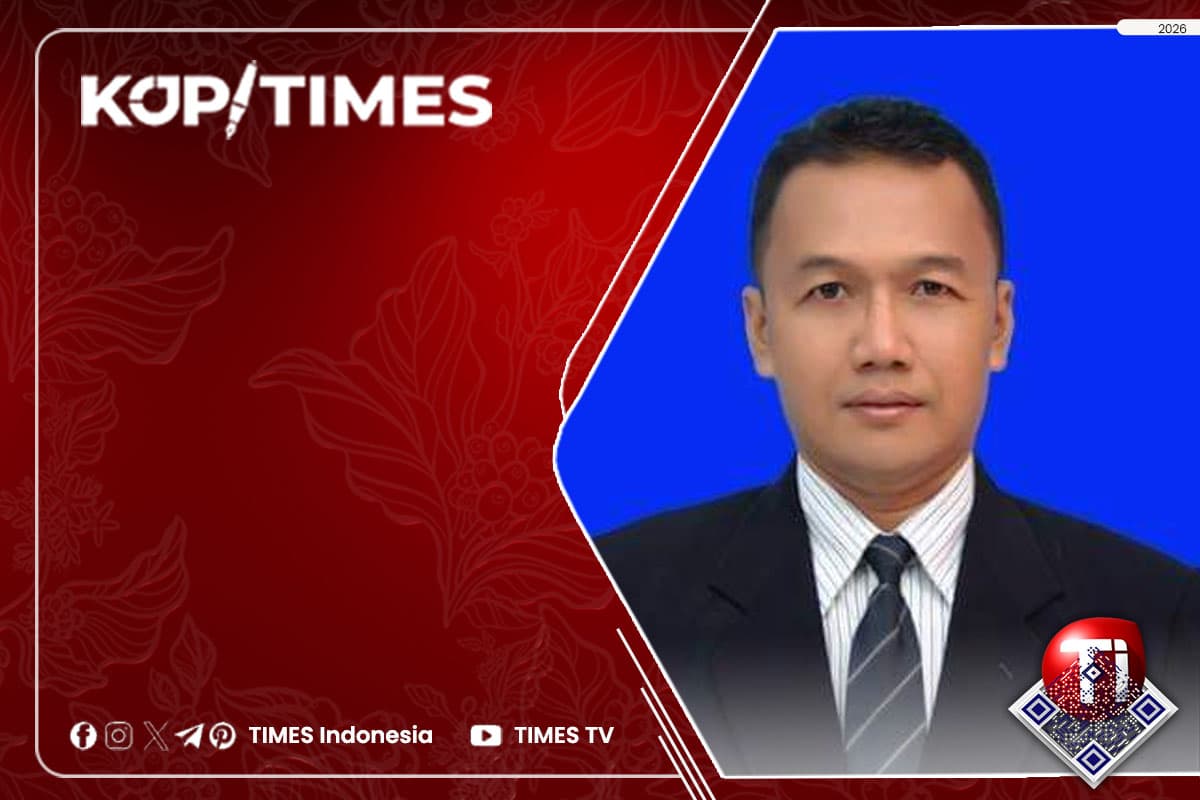
*) By: Raga Arya, International Master Student in Republic of China.
*) This opinion article is entirely the responsibility of the author and does not represent the editorial stance of timesindonesia.co.id.
*) Kopi TIMES, or the opinion section of TIMES Indonesia, is open to the public. The length of the manuscript is a maximum of 4,000 characters or approximately 600 words. Please include a short biography, a profile photo, and an active phone number that can be contacted.
*) Manuscripts should be sent via e-mail to: [email protected]
*) The editorial team reserves the right not to publish submitted opinions.
Simak breaking news dan berita pilihan TIMES Indonesia langsung dari WhatsApp-mu! Klik 👉 Channel TIMES Indonesia. Pastikan WhatsApp kamu sudah terpasang.